

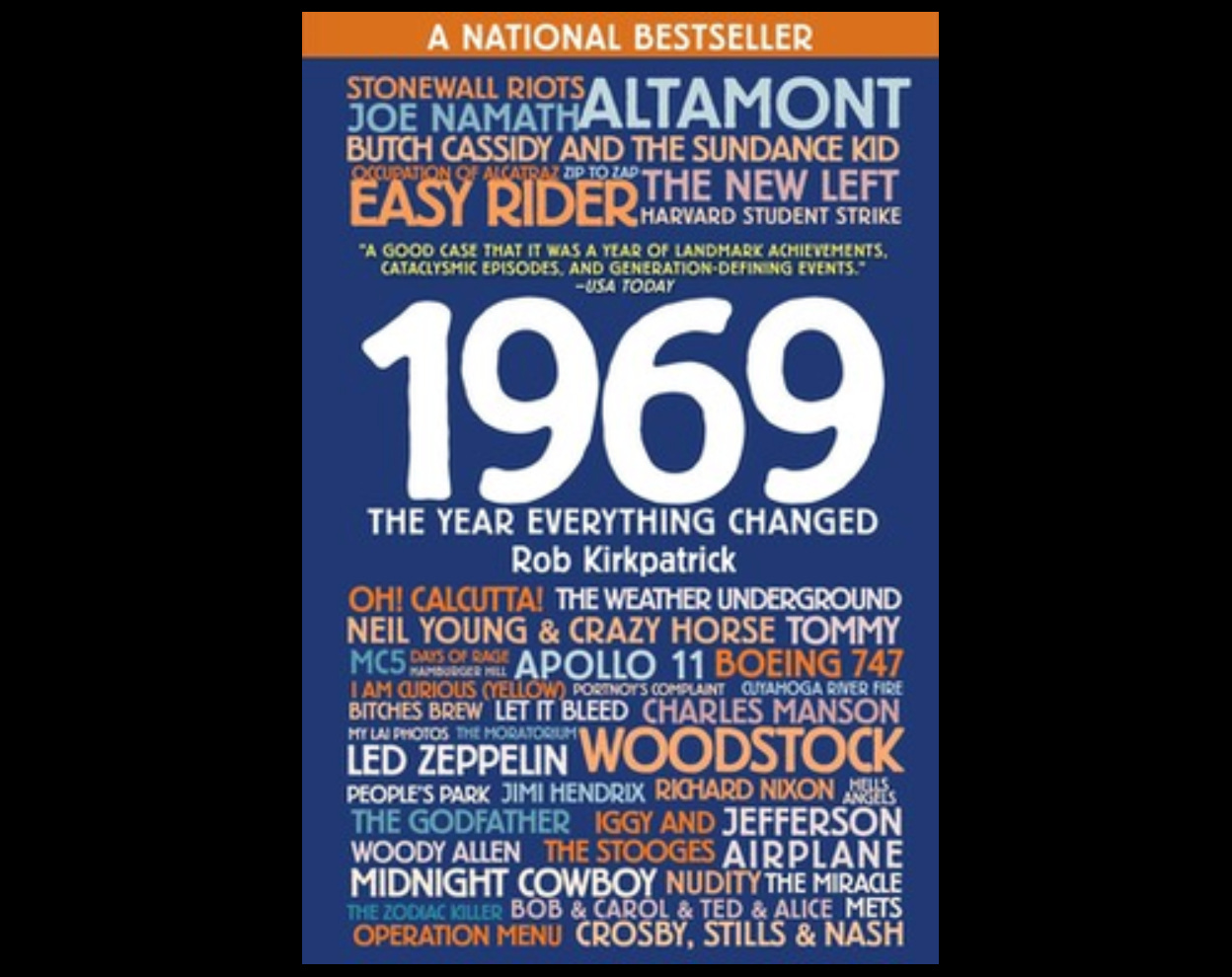
One of the weirder things about the New York Times is how it so often treats the racial preferences era that began in 1969 as more or less a racist conspiracy theory for which there is no good evidence and thus must be referred to within quotation marks.
Thus, from the New York Times news section:
Trump Says Civil Rights Led to White People Being ‘Very Badly Treated’
President Trump’s comments were a blunt distillation of his administration’s racial politics, which rest on the belief that white people have become the real victims of discrimination in America.
By Erica L. Green
Erica L. Green is a White House correspondent. She reported from Washington.
Jan. 11, 2026
President Trump said in an interview that he believed civil rights-era protections resulted in white people being “very badly treated,” his strongest indication that the concept of “reverse discrimination” is driving his aggressive crusade against diversity policies.
Notice that “reverse discrimination” is a concept, not a reality.
Speaking to The New York Times on Wednesday, Mr. Trump echoed grievances amplified by Vice President JD Vance and other top officials who in recent weeks have urged white men to file federal complaints with the Equal Employment Opportunity Commission.
When asked whether protections that began in the 1960s, spurred by the passage of the Civil Rights Act, had resulted in discrimination against white men, Mr. Trump said he believed “a lot of people were very badly treated.”
“White people were very badly treated, where they did extremely well and they were not invited to go into a university to college,” he said, an apparent reference to affirmative action in college admissions. “So I would say in that way, I think it was unfair in certain cases.”
He added: “I think it was also, at the same time, it accomplished some very wonderful things, but it also hurt a lot of people — people that deserve to go to a college or deserve to get a job were unable to get a job. So it was, it was a reverse discrimination.”
Seriously, the notion that affirmative action involves tradeoffs that help some people and hurt others seems hard to argue with, so the New York Times doesn’t argue, it merely points and sputters:
Mr. Trump’s comments were a blunt distillation of his administration’s racial politics, which rest on the belief that white people have become the real victims of discrimination in America. During his campaign for president, Mr. Trump harnessed a political backlash to the Black Lives Matter and other protests, saying there was “a definite anti-white feeling in this country,” and he joined his base in denouncing what he deemed to be “woke” policies.
The Trump administration has claimed that eradicating policies that promote diversity would shepherd in a “merit-based” society.
Not a merit-based society but a “merit-based” society, mind you.
But for civil rights leaders, Mr. Trump’s remarks showed that the perceived plight of white men was the true focus.
Derrick Johnson, the president of the N.A.A.C.P., the nation’s oldest civil rights organization, said there was “no evidence that white men were discriminated against as a result of the civil rights movement, the Civil Rights Act, and efforts to rectify the long history of this country denying access to people based on race in every measurable category.”
Within hours of taking office, Mr. Trump ordered the dismantling of diversity, equity and inclusion offices that were responsible for addressing systemic discrimination against minorities and women, and last year he ordered federal agencies to halt enforcement of core tenets of the bedrock Civil Rights Act.
In contrast to “reverse discrimination,” we all know that …
Paywall here.
