

It’s currently considered taboo to use artificial intelligence to write your novel for you.
On the other hand, AI is amazingly adequate at writing these days. And the standards for prose style in fiction are rapidly declining as women take over the novel business, as writers, readers, and publishers.
For example, from Macmillan Publishers’ latest DEI statement:
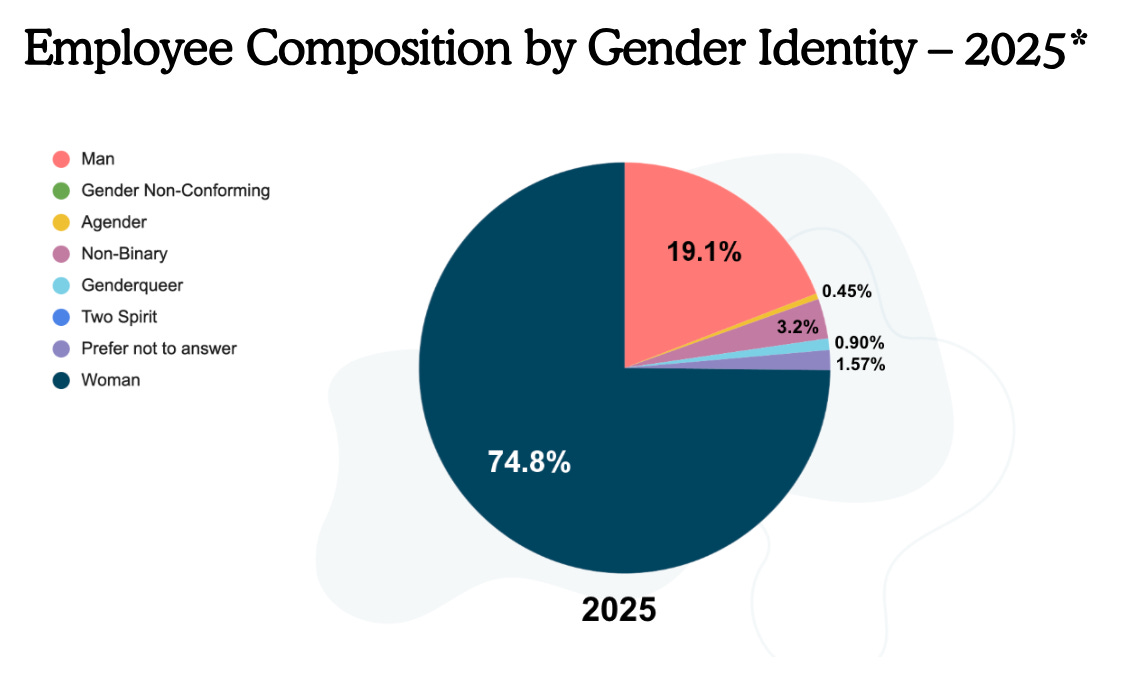
Not surprisingly, scandals are erupting lately as hot novelists are accused of using AI.
Below is from the Guardian news section. Like so many articles these days, this one starts out boring but gets fun toward the end:
$2m crime novel deal collapses amid questions over AI use
Agents withdraw Jerry Falade’s hotly anticipated debut after saying they can no longer authenticate ‘how the manuscript evolved’
Emma Loffhagen
Fri 31 Jul 2026 12.45 EDT
A high-profile publishing deal for a debut crime novel has collapsed after doubts emerged over whether artificial intelligence played a role in writing it.
The hotly anticipated manuscript Call Me, I’ll Hide the Body, by Jerry Falade, was withdrawn from sale by its agent despite reportedly receiving an offer for more than $2m (£1.5m) from Minotaur, owned by Macmillan US, as part of a 14-way auction. The plan was to publish it in 2028.
An email sent to publishers by Falade’s agents and seen by the Guardian said: “Jerry Falade produced an incredible manuscript that dazzled us and the top publishing professionals around the world. Unfortunately, we are no longer able to authenticate how the manuscript fully evolved from origin to completion.”
It continued: “During the submission process we vetted the manuscript with Jerry for AI and felt trusting in his reassurance that it was written without utilising AI as a resource in the writing or editorial process. We can no longer substantiate that, and we are withdrawing the book.”
The US auction was run by the author’s agent Marc Gerald of Europa Content, according to the Bookseller. In the UK, Sandy Hodgman of Hodgman Literary is said to have secured several six-figure bids through a similarly competitive process. The Guardian has approached both agents for comment.
Gerald told the Bookseller he first read the book in June, and that it was “stunningly good, everyone fell in love with it. It’s a book that appeals to absolutely everyone.”
He said that halfway through the submissions process, an editor raised concerns that the book had signs of potential AI use. Gerald said Europa opted against using AI-detection software to check the manuscript, saying Falade was “clear and credible” in his explanation.
However, after a meeting on 29 July, when “aspects of [Falade’s] story changed”, the agency decided to cut ties, citing the “need to have total faith”.
“We feel terrible for putting this into the universe and the firestorm it has caused,” Gerald added. “The book itself is genius – however it came to be drafted, it’s amazing.”
Falade’s case is the latest in a string of controversies to hit publishing this year, as authors, agents and publishers grapple with how to handle suspected AI use in manuscripts. Earlier this year, Hachette pulled the US release of Mia Ballard’s horror novel Shy Girl after rumours circulated online that the author had relied on AI, something she denies.
Okay, let’s learn about Mia Ballard’s Shy Girl. From Wikipedia:
The novel follows Gia, a depressed woman with obsessive–compulsive disorder, who encounters a mysterious man named Nathan while looking for a sugar daddy to ease her financial troubles. Nathan offers to erase all of Gia’s debts in exchange for her agreeing to live as his pet. Living like an animal convinces her that she is becoming an animal, making her behave like one.
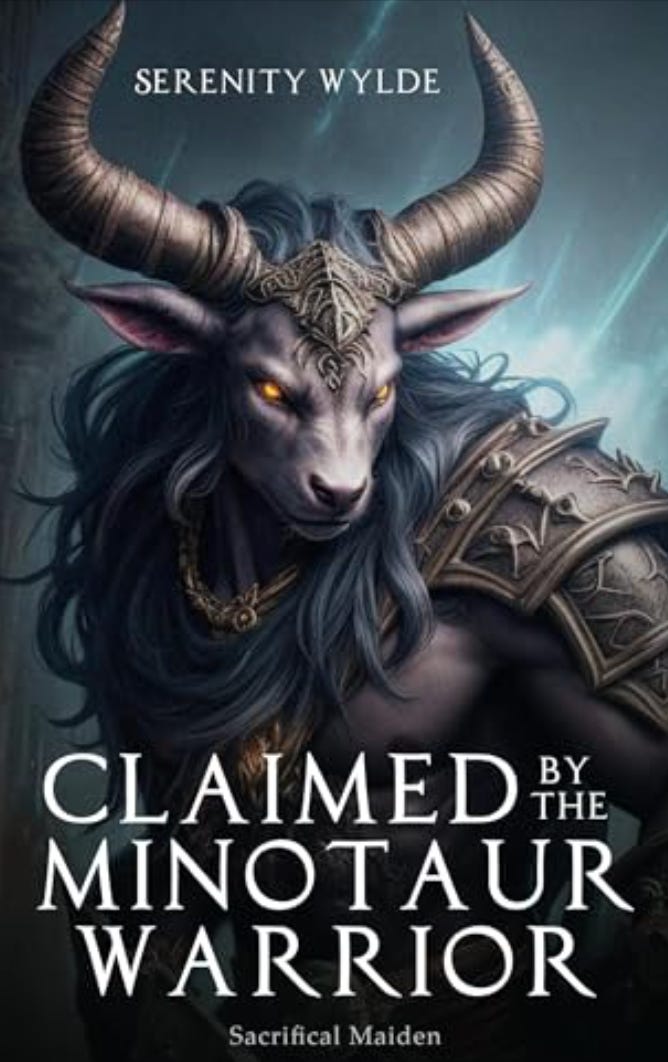
Are women developing a fetish for reading about bestiality these days, the way they are also into fantasizing about ice hockey players going at it gayly?

After the British publication, critics and readers began to make claims that the book appeared to have been written by generative AI. … A two-and-a-half-hour video essay covering the book, created by channel frankie’s shelf, titled “i’m pretty sure this book is ai slop”, received 1.2 million views on YouTube by March 2026.
In response, Hachette Book Group announced in March 2026 that it would cancel the book’s US publication and discontinue its UK publication. It told The Wall Street Journal that it had made “a lengthy investigation” before deciding to cancel the book. Ballard told The New York Times that she had not used AI when writing the book, but that AI-generated elements were added by a freelance editor without her knowledge. She also stated that she could not elaborate on her claim because she was pursuing legal action against the editor.
Back to the Guardian on the Jerry Falade Brouhaha:
In a statement to the Guardian, Falade rejected claims that he had used AI and said the response reflected …
OK, here’s where the good stuff starts:
Paywall here.
