

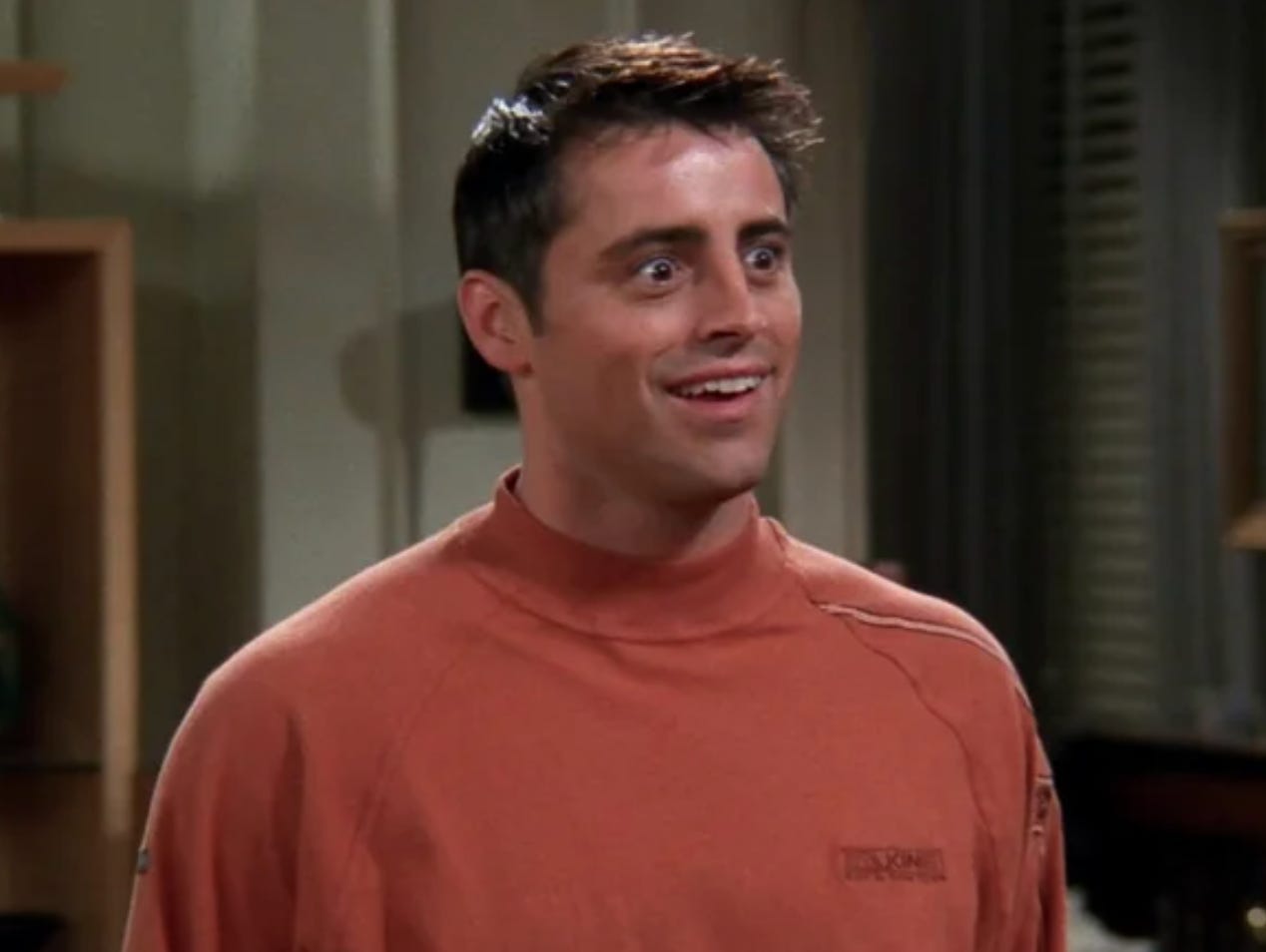
Late September is one of the less holidayish seasons of the calendar, but, for some reason, I got to thinking about holiday music. And nowadays you can just ask your AI any damn fool questions you have about any topic under the sun and it will respond with enormous enthusiasm and interest as if it were a 125 IQ version of Joey Tribbiani on Friends:
Christmas music is wonderfully resistant to innovation. It’s basically random musical styles from Handel’s Messiah onward up through early rock ‘n’ roll. But then … almost nothing afterwards, even though the financial rewards of composing a Christmas standard can be immense.
Christmas songs can be enormously lucrative under American copyright law. If you are wondering why American songwriters have dominated world pop music for the last century, note how much money you and your children and grandchildren and great-grandchildren can make from writing a Christmas classic.
Irving Berlin’s 1942 “White Christmas” will continue to pay royalties through 2037. And then Congress decided that 95 years wasn’t generous enough. Under the current, more generous Sonny Bono copyright law, covering the composer’s lifetime plus 70 years, since Berlin died in in 1989, his heirs would have gotten mailbox money through 2059. I can recall reading an article in a business magazine in about 1987 about how 99-year-old Berlin was sore that he was no longer getting a check for his 1911 composition “Alexander’s Ragtime Band” under the paltry old law that only gave composers 75 years.
That’s the underlying joke in the 2002 movie About a Boy in which Hugh Grant plays an elegant layabout who spends his days doing Hugh Grantish things like “having my hair expensively tousled:” his father had composed in 1958 the Christmas novelty song “Santa’s Super Sleigh” and so Hugh doesn’t need to do anything of any value to anybody else.
But it’s hard to write Christmas songs anymore because the era of Christmas songs ended when the Beatles appeared on Ed Sullivan in 1964.
Mariah Carey co-wrote one of the last giant Christmas standards in 1994
by evoking the early 1960s Phil Spector Wall of Sound productions.
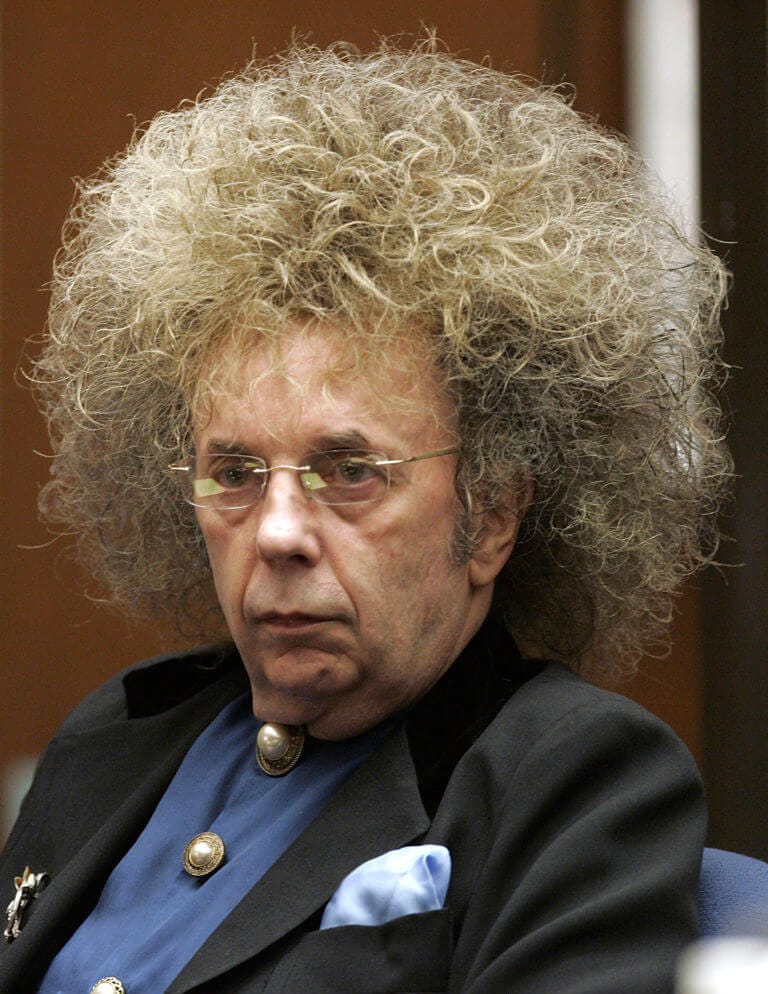
And who better exemplifies the malignant insanity true spirit of Christmas than ol’ Phil?
But as the decades go by, it’s getting harder for stars to evoke musical traditions from before the British Invasion. But that’s what Christmas music has to be.
Around 2010, pop stars started trying once more to compose Christmas standards, with Ariana Grande and Kelly Clarkson lately looking like their Christmas tunes might actually become December regulars.
But what about other holidays? Christmas music is a great tradition (for example, consider that millions of living Americans have sung Handel’s 284-year-old baroque Messiah in a public performance). So why not, say, Memorial Day music?
Why don’t we have musical traditions for Thanksgiving or Labor Day or the Fourth of July?
In the case of one other holiday, we are starting to develop an annual set of songs.
Paywall here.
