

Among the world’s policemen when I was a kid, London Bobbies had perhaps the best, most benign reputation:
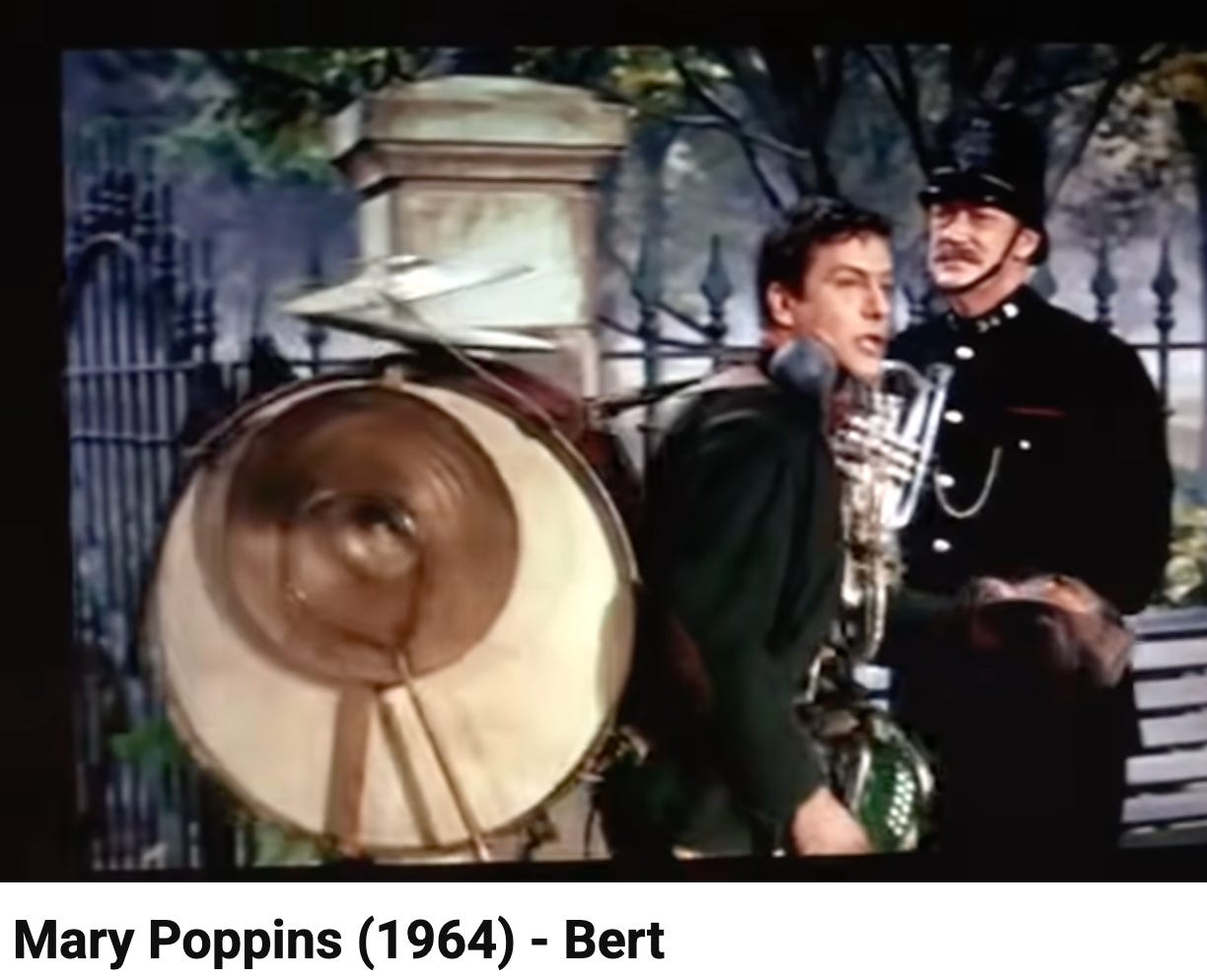
But in this century, you mostly seem to hear about them in their newer role as Thought Policemen, arresting a Brezhnev Era-like hundreds annually for intemperate social media posts on immigration and ethnic controversies.
I’ve always wondered if the UK’s current system of two-tier policing only persecutes working class whites, who might conceivably riot? Or are classier whites also in danger of being asked to come with the police down to Headquarters to assist them in their inquiries.
And what about foreigners who post online while visiting the UK? Should you avoid vacationing in Britain in case you might forget where you are and post some excessively honest IQ stats on X while within His Majesty’s domain?
In Times Higher Education, the leading trade paper covering British academia, reporter Jack Grove speaks about the police and legal intimidation that led to the spiking of his big story ago that would have blown wide open the Jason Arday Scandal nine months before Nathan Cofnas spilled the beans.
I was reported to police over the Arday case. I was just doing my job
My investigation into alleged plagiarism was undertaken seriously – journalistic enquiries should not be a matter for Scotland Yard, writes THE reporter Jack Grove
Published on August 5, 2026
Jack Grove is a reporter and deputy features editor at Times Higher Education.
Twitter: @jgro_the
… I was shocked to hear it was from the Metropolitan Police, asking me to call them back. Why? Nothing remarkable had happened to me in the previous year. When I rang back the officer explained a complaint had been made against me regarding the University of Cambridge professor Jason Arday, but the matter was now closed.
But it was important, the officer explained, that I didn’t contact him again, because it was affecting his mental health.
However, I hadn’t emailed Arday in four months – my last direct email had been in September, offering formal right of reply to allegations that he had plagiarised his PhD.
That allegation was not made lightly: I had assembled a 63-page report which detailed how he had apparently used, without proper citation, huge chunks from a thesis written in 2009 by another student, Paula Zwozdiak-Myers, now a highly respected education academic at Brunel University of London. Further checks found passages that seemed to be lifted from the work of researchers based in the US, Australia, the United Arab Emirates and elsewhere in the UK. In total, I submitted 97 pages of evidence to both Cambridge and Arday’s awarding institution, Liverpool John Moores University, for their investigation.
Serious allegations, certainly. Deeply embarrassing and distressing, definitely. Although Arday was eventually cleared of plagiarism by an LJMU review, a frenzy of coverage led to Cambridge opening an investigation into Arday’s academic record and CV, followed shortly afterwards by Arday announcing his resignation.
But were my inquiries grounds for a criminal complaint? That was hugely troubling to me as a reporter who specialises in examining issues of research integrity and ethics. …
But maybe my journalistic pursuit of this story was too “incessant”, as Arday has claimed, hounding him about details on his personal biography that had little bearing on his academic role, as he suggested.
In fact, …
Paywall here.
