

When I was a Boy Scout in 1970, the U.S. had 34 National Parks, most of them pretty reliably awe-inspiring:
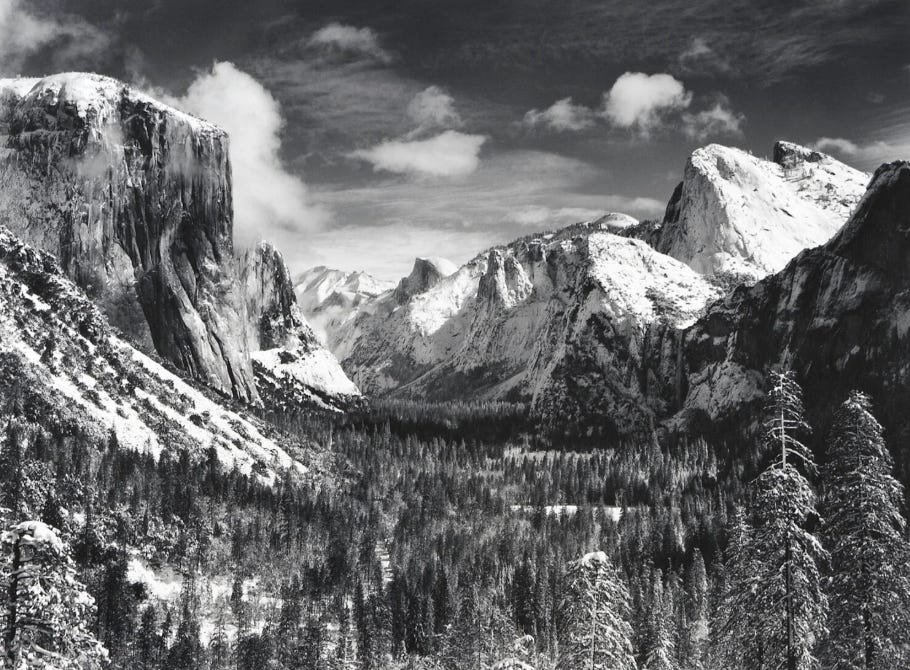
The U.S. also had a second string of National Monuments, which tended to be a grab bag of ancient Indian dwellings, historic forts, famous guys’ homes, and, mostly, natural wonders that just weren’t quite wonderful enough to be National Parks.
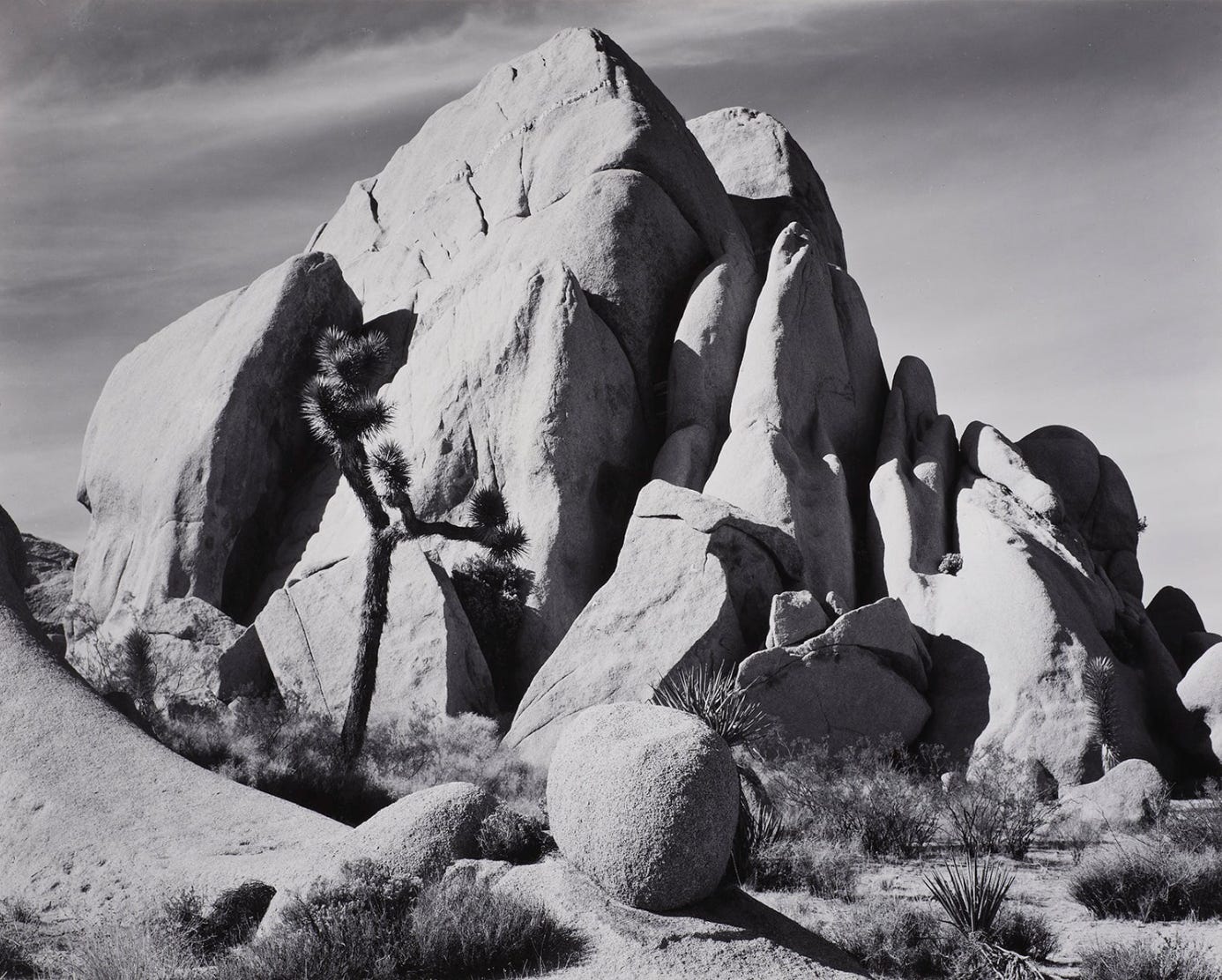
For example, Death Valley National Monument, the lowest, hottest place in the U.S. is pretty great (in spring, but mostly just Germans go there in summer), but was it really in the same class as the three National Parks in the Sierras: Yosemite, Kings Canyon, and Sequoia?
Nah.
And Joshua Tree National Monument near Palm Springs was fun with all its boulders to clamber up, but it was obviously another tier below Death Valley.
National Forests are the third tier: they allow some logging and mining.
There are also National Wildernesses which are even more persnickety about development than National Parks. For example, there are a few hotels and lodges in the National Parks of the Sierra Nevada mountains in California. (Frequently, just inches outside the border of a National Park are motels, 7-11s, water slides, miniature golf courses, and Taco Bells.)
But the Sierra National Parks run from the western foothills to the crest of the Sierras, so the ultra-spectacular, near-vertical East Side of the Sierras is instead covered by National Wildernesses, such as John Muir National Wilderness, which don’t allow any buildings or roads or ski-lifts whatsoever.
But, today, a whole lot of old National Monuments have been promoted to National Parks, and we seem to be well into diminishing returns. Below are all 63 National Parks with their dates-founded along with the USN&WR ranking of the two dozen best National Parks. (I’m not promising that the extinct newsmagazine offers an infallible list, just that it seems reasonable, and its list wasn’t invented to prove me right or wrong.)
I’ve also added for my own edification the year in brackets when I visited that National Park. I definitely have visited 21 and may have skimmed the edges of a few more.
1872 Yellowstone, Wyoming — #1 in the USN&WR hierarchy [I visited Yellowstone in 1980 for a day with a Caltech astronomy professor]
In the 1960s, my parents owned a camping trailer:
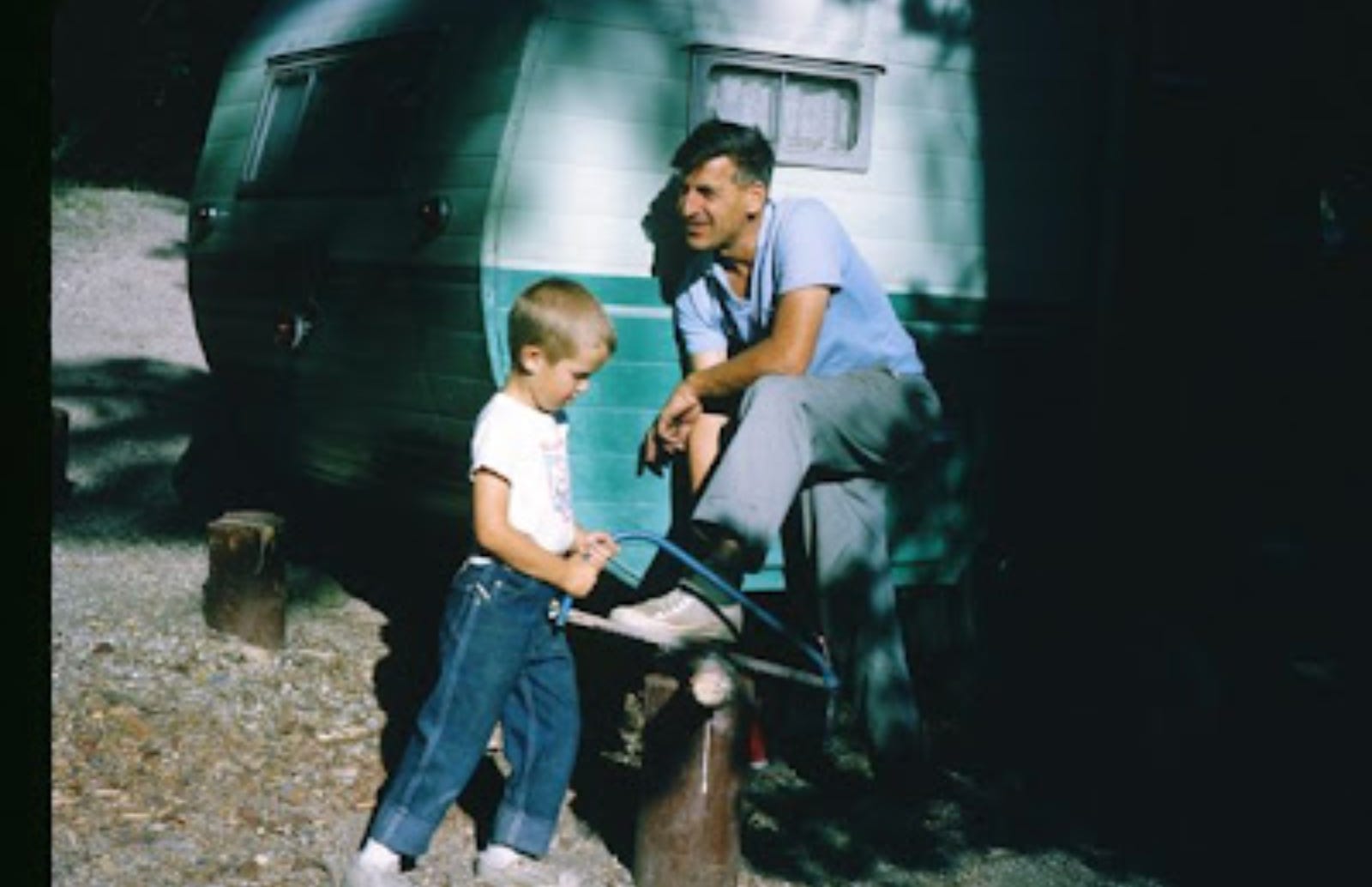
You don’t see trailers much anymore.
Are they dangerous to tow? I wouldn’t risk it. But my dad was a much better driver than I am.
So we went on numerous trailer trips in the 1960s.
1890 Yosemite, California (Yosemite Grant 1864) — #3 [I visited the Valley in the late 1960s for a week, I went high country backpacking out of Tuolomne Meadows in 1974 when my father and I got chased up a boulder by a bear, and went back to the Valley with him in October 1986]
1890 Sequoia, California — #10 [Late 1960s, c. 1999, 2001]
1899 Mount Rainier, Washington — #19 [never]
1902 Crater Lake, Oregon — not in Top 24 (from now on, if I never visited the park, this space will be usually be blank)
These first national parks were super-spectacular.
1903 Wind Cave, South Dakota [never]
I’m guessing this was of sentimental value to Teddy Roosevelt. Besides the cave, it was also set aside to preserve the rapidly vanishing buffalo prairie.
1906 Mesa Verde, Colorado — #24 [2017]
It was realized around 1900 that grave-robbing looters were dismantling a lot of Ancestral Puebloan cliff-dwellings in the Southwest. So Congress took two steps in 1906. It made the 700 year old Mesa Verde apartment building of 150 rooms a National Park. (National Parks are only created by acts of Congress.) And Congress passed the Antiquities Act of 1906 allowing the President to create National Monuments by executive fiat.
Teddy Roosevelt quickly turned some other ancient Indian structures into National Monuments. He also created the Devil’s Tower National Monument. (Devil’s Tower in Wyoming is the giant rock sentinel that Richard Dreyfuss sculpts out of mashed potatoes in Close Encounters of the Third Kind). This established the precedent that smaller properties with one memorable feature would tend to become National Monuments, while larger properties with both memorable features and entire ecosystems (like giant Yellowstone National Park) would be designated National Parks.
1910 Glacier, Montana — #2 [I’ve never been there — but I recall with envy my cousins’ slides of their visit about 55 years ago. My guess is that the very best national parks in North America are just north of there. When I seemed likely to die of cancer in 1997, my wife asked me where I’d like to go that summer. I said: Banff, which is unusual in having both superb mountain scenery and a superb Stanley Thompson golf course. Fortunately, the monoclonal antibody worked, so I just went to old SoCal favorites like Pismo Beach and Catalina Island.
And here I am.]
Was this the last place National Parks were okay?
Paywall here.
