

With all the emphasis these days on “expanding the canon” to include more old times works by the more fashionable demographic identities, it’s worth noting that the number of talented European painters and composers that virtually nobody in America has heard of is immense.
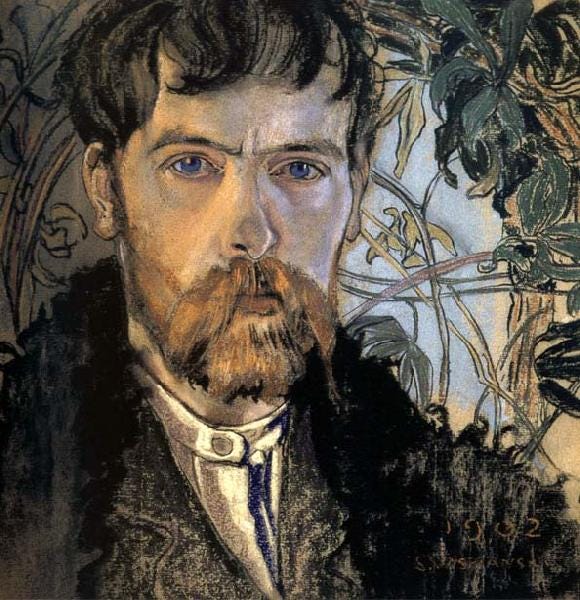
For example, Polish painters, such as Stanisław Wyspiański (self portrait above), are basically unknown in America.
One lacuna in American awareness of the arts are French classical composers, especially before Debussy. This is true even though Bizet’s Carmen is the second most often staged opera in this country in this century, after Puccini’s La Boheme (if you are looking for an introduction to opera, the 1984 film of Carmen directed by Francesco Rosi is ideal). For example, Robert Greenberg’s popular Great Courses lecture series on classical music begins with the announcement that he will focus on Italian and Teutonic composers, because, he says, the French were off doing their own thing, which doesn’t fit in well with his narrative.
I went to see the Pacific Opera Project’s production in Los Angeles of French composer Daniel Auber’s 1830 opéra comique Fra Diavolo, although I’d never heard of Auber before. He composed 39 operas in collaboration with librettist Eugène Scribe, the vastly productive playwright (somewhere between 300 and 500 works) who drove later 19th Century French highbrows crazy with his popularity.
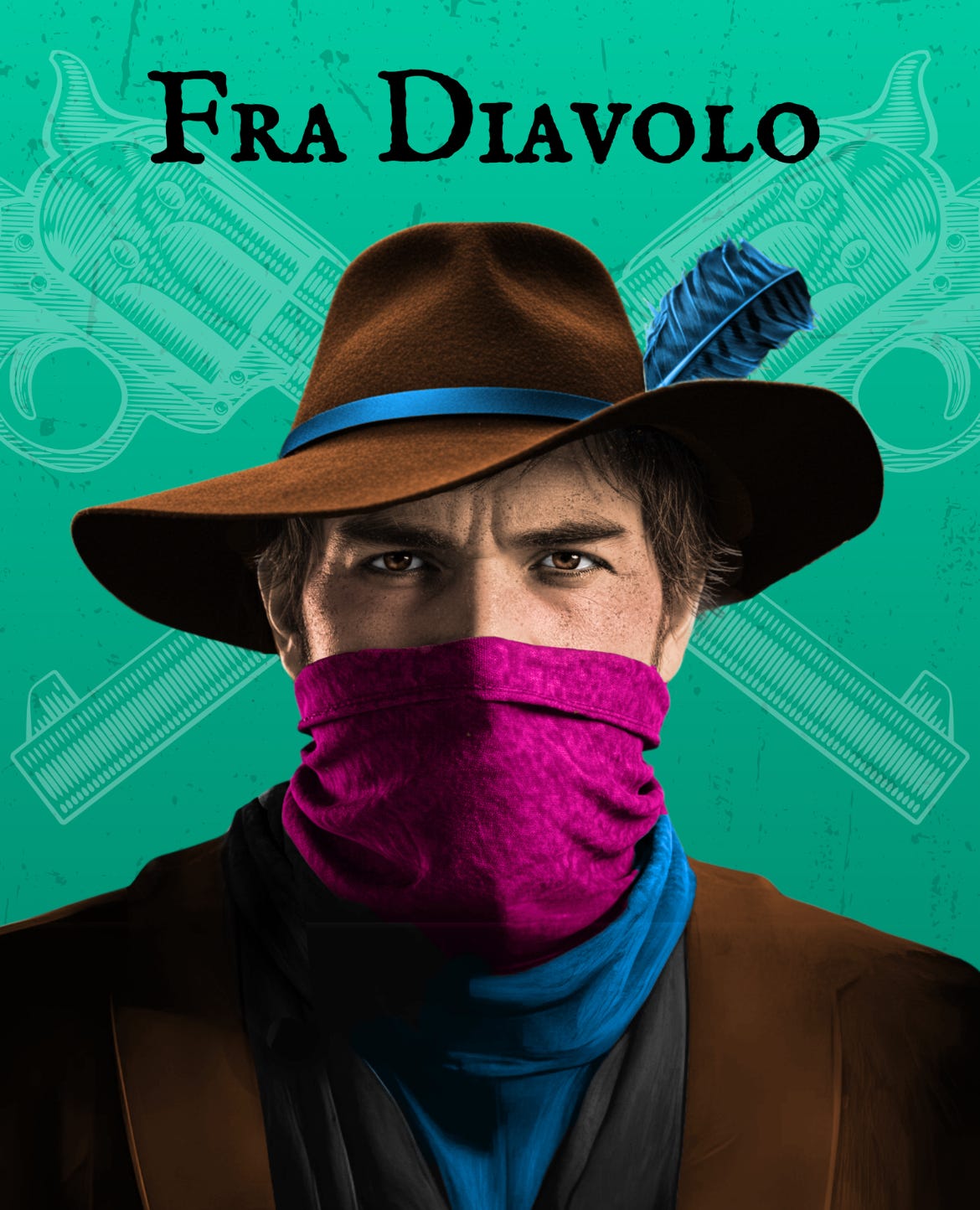
A very silly comedy about a Neapolitan kissing bandit with countless (if not terribly distinctive) melodies, Fra Diavolo was hugely popular in the 19th Century. But then suddenly right after 1900, people got tired of it. (Although there was a 1933 Laurel & Hardy movie under such titles as Brother of the Devil and Bogus Bandits: Stan and Ollie play the bandit king’s inept stooges.)
As usual, POP impresario Josh Shaw’s adaptation is hugely entertaining, and it’s not that expensive. Tickets run from $15 to $60 at the L.A. Highland Park Ebell Club, a dingy-looking but great-sounding 110 year old hall built by German carpenters who understood acoustics. It turns out that you don’t actually need to see operas in a place that looks like this:
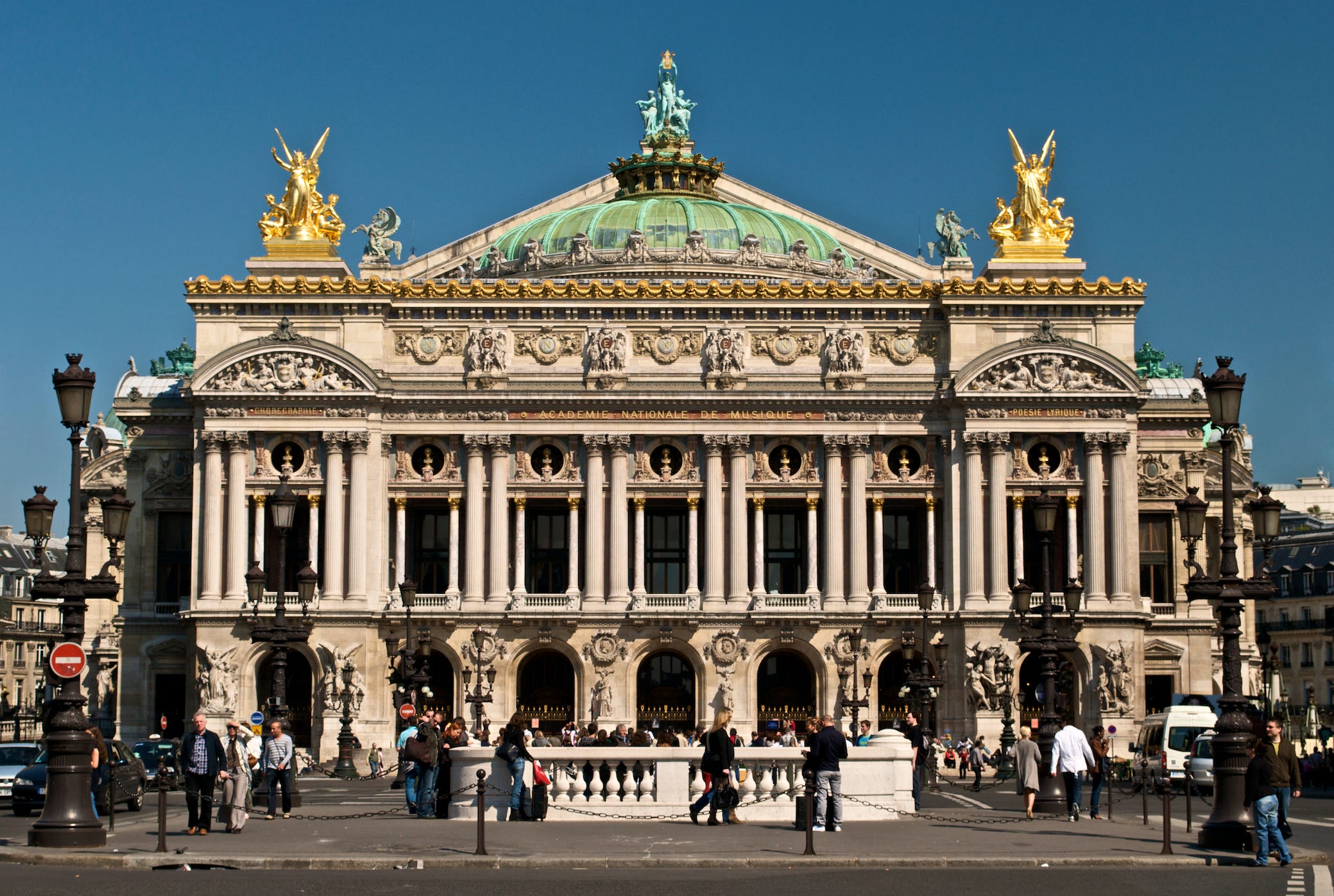
(Although I’m sure it’s fun.)
I don’t fully understand POP’s economics, but my vague impression is that some wealthy donors generously subsidize POP as a non-snobby opera venue.
I'm wondering if you could make more money in Paris than in other European cities, so classical music tended toward being popular music in France, which meant it wasn't as enduring. Paris in 1800 had more than twice the population of Vienna.
Operas were the movies before movies.